GUAR - A WONDER CROP
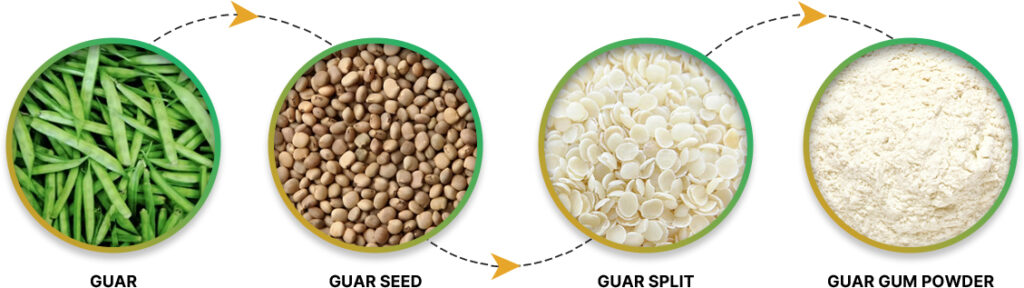
Guar gum, also called guaran, is a galactomannan. It is primarily the ground endosperm of guar beans. The guar seeds are dehusked, milled and screened to obtain the guar gum. It is typically produced as a free-flowing, pale, off-white-colored, coarse to fine ground powder.
Guar is grown mainly in India, Pakistan, Sudan and parts of USA. India grows over 850,000 tons, or 80% of the total guar produced all over the world. Mainly in Rajasthan 65% of the Guar Gum or derivatives produced in India are exported, mainly to USA and to European countries.
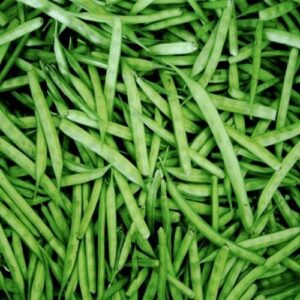
70% of India’s Guar is grown in Rajasthan, and the balance mainly in Haryana, Gujarat and Punjab. Guar is grown in semi-arid climate and contains a protein and natural polymer. The protein along with the husk is used as animal feed and the natural polymer is used as a thickener to viscosify water.
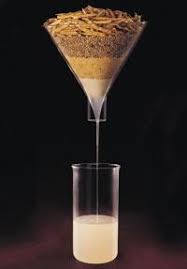
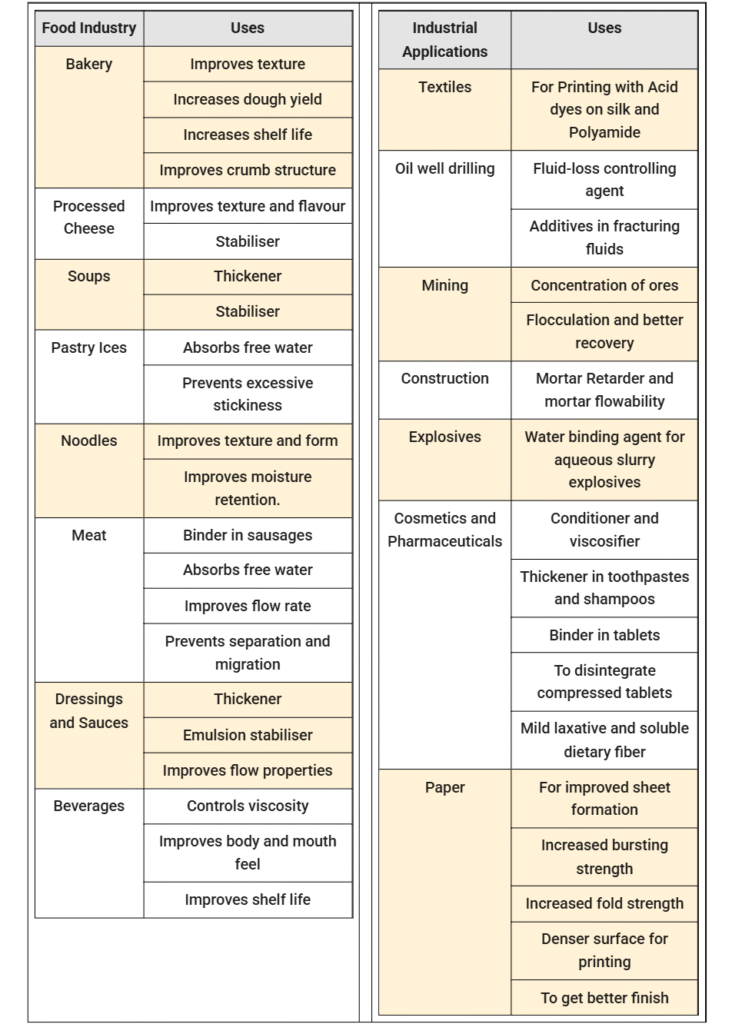
This property of viscosifying water is used to modify products in various industries are:
- Food Products (Low viscosity increase)
- Mining Industry
- Agricultural Industry
- Industrial Applications (Very high viscosity increase)
India’s much neglected and little-known guar gum is now its biggest agricultural item of export, upstaging the much better known items of basmati and non-basmati rice. Major uses today are in Textile Printing Thickeners, Oil and Gas Well drilling & Fracturing, Water based Paints, Building and Construction, Cosmetics & Personal Care, Food ingredients, etc.
WHAT IS GUAR GUM?
Guar Gum, also called guaran, is derived from endosperm of the guar plant (Cyamopsis tetragonolobus). Guar is a legume crop, which grows best in sandy soils and needs moderate, intermittent rainfall with lots of sunshine.
Guar gum is a natural high molecular weight polysaccharide galactomannan, with a mannose to galactose ratio of 2:1, combined through glycosidic linkages. The guar seeds are dehusked, milled and screened to obtain guar gum. It is typically produced as a free-flowing, pale, off-white-colored, coarse to fine ground powder, It is a very much versatile product and it has very wide applications in different industries such as Thickener, Emulsifier, Stabiliser, Bonding Agent, Gelling Agent, Soil Stabiliser, Natural Fibre, and Fracturing Agent.
KEY PROPERTIES:
- Easy solubility in both cold and hot water
- Stable in solutions over a wide range of pH values from 2 - 10
- Film forming property
- Resistance to oils, greases and solvent
- Better thickening agent
- Water binding capacity
- High viscosity
- Functioning at low temperatures
- Compatible with many other hydrocolloids used in food formulations
- Versatility due to number of free hydroxy groups to make derivatives for specific applications
USES
_________